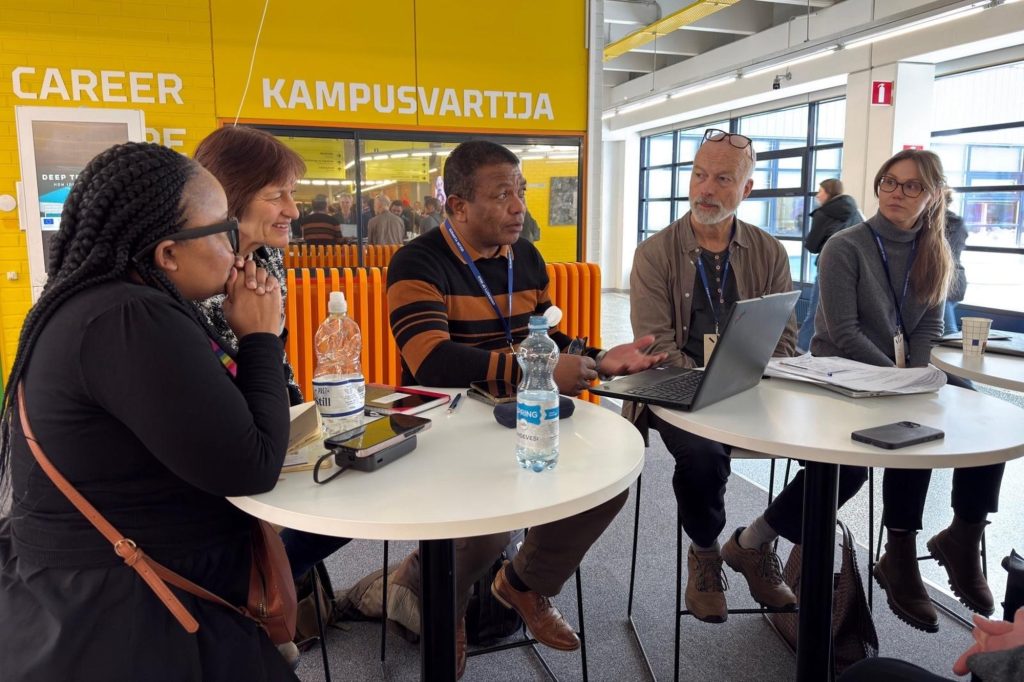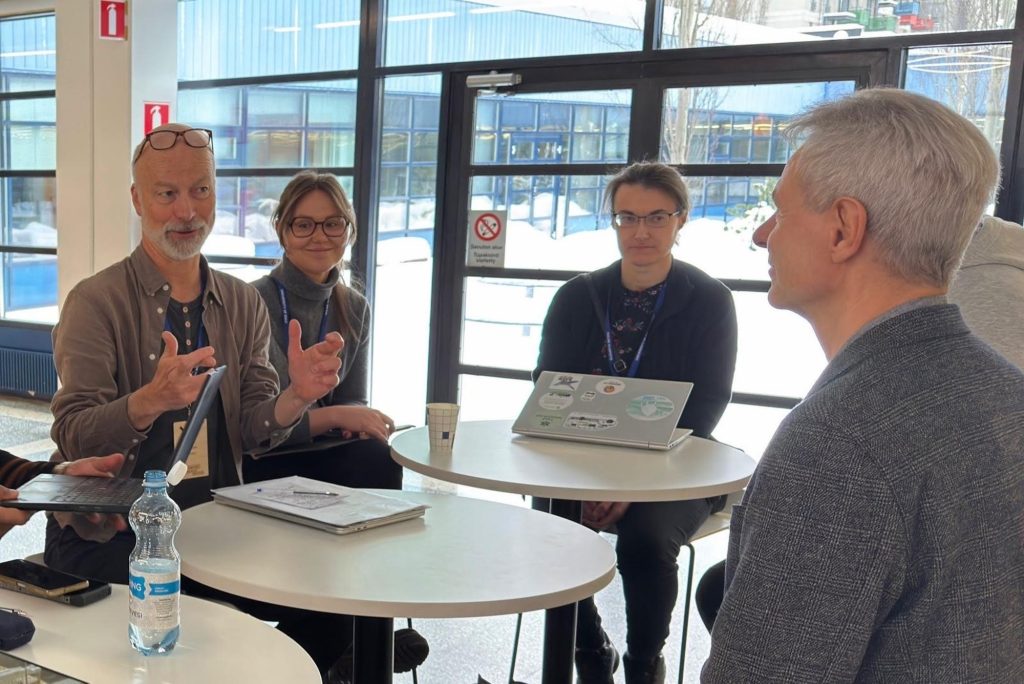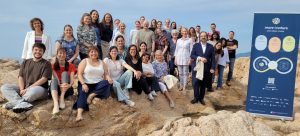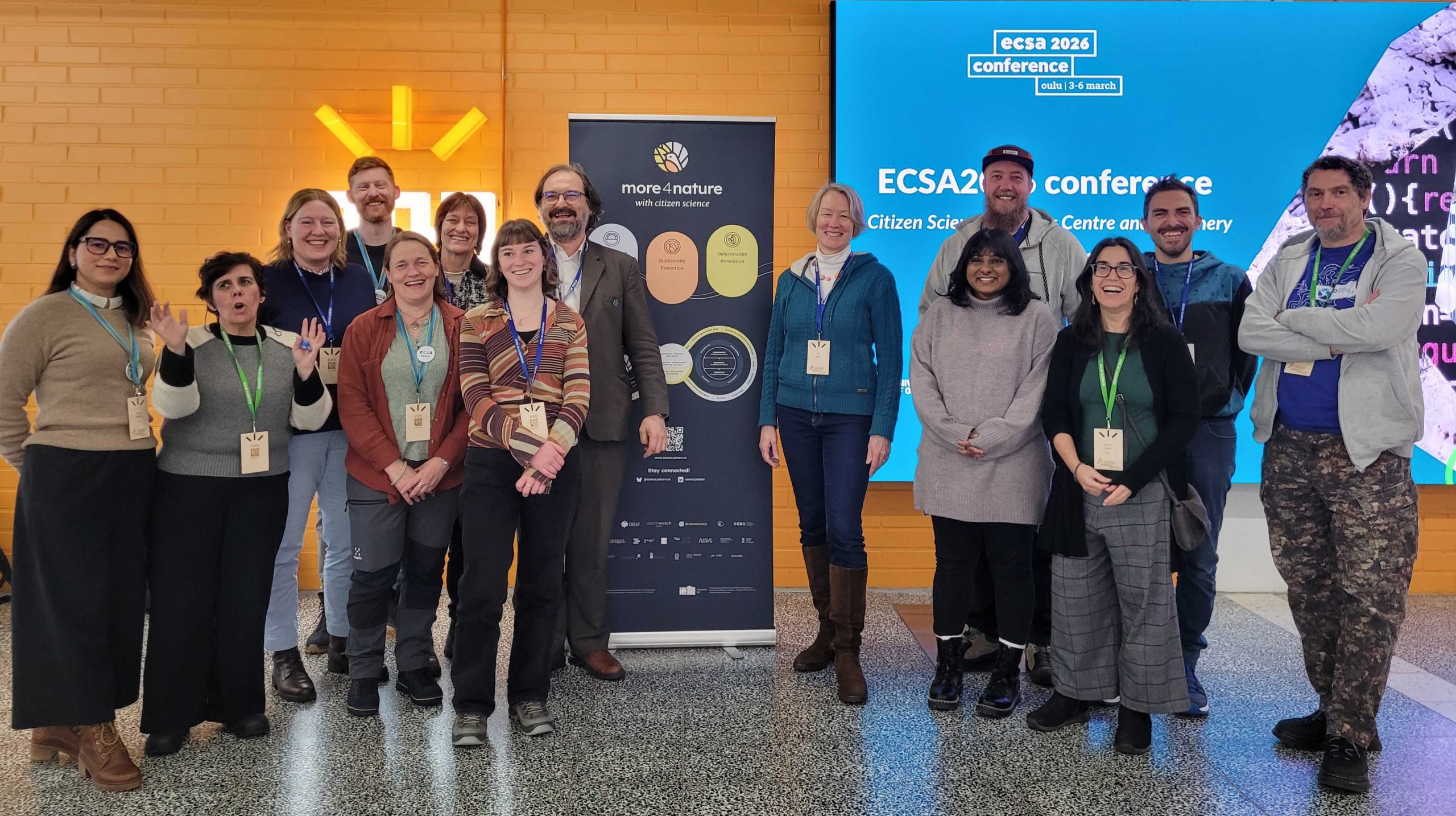
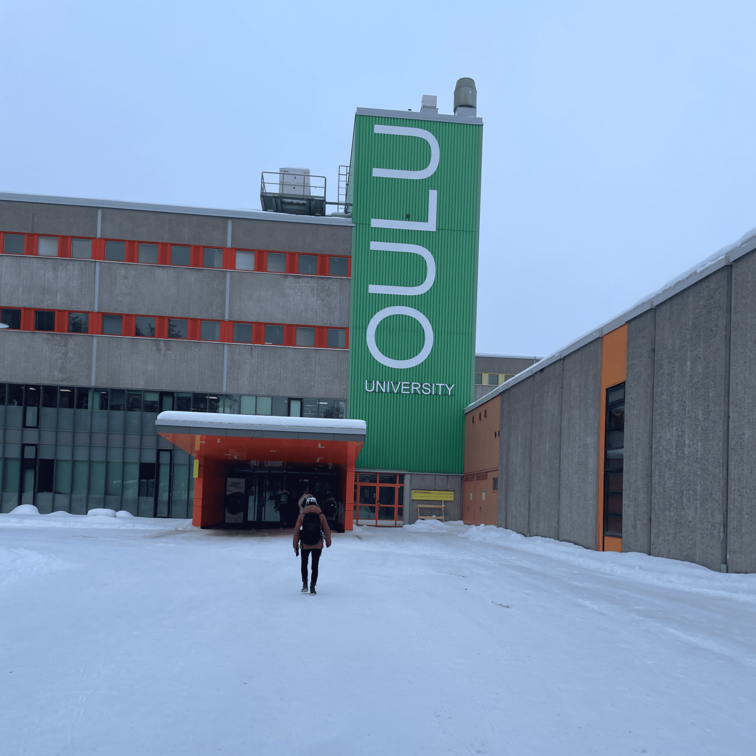
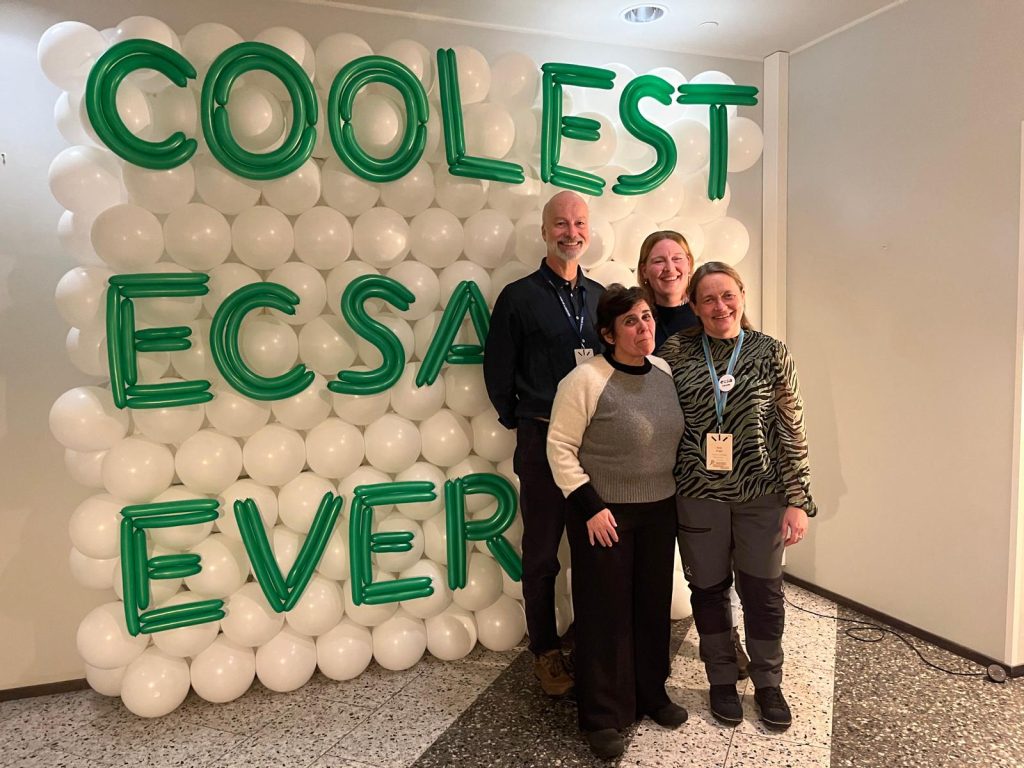
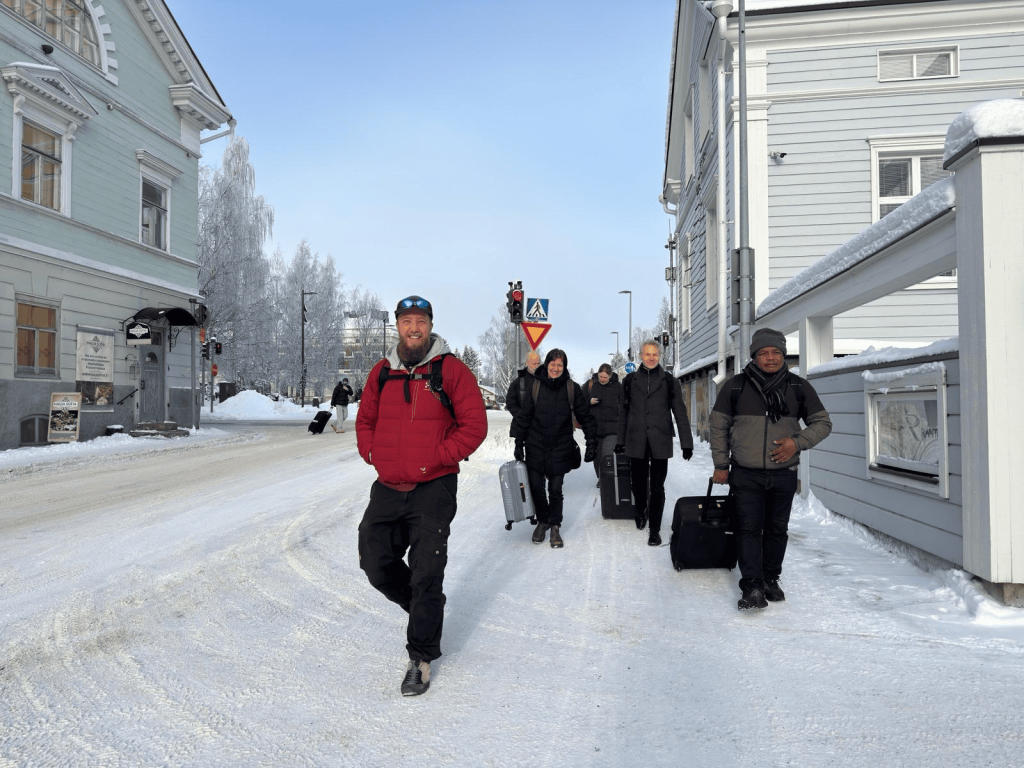
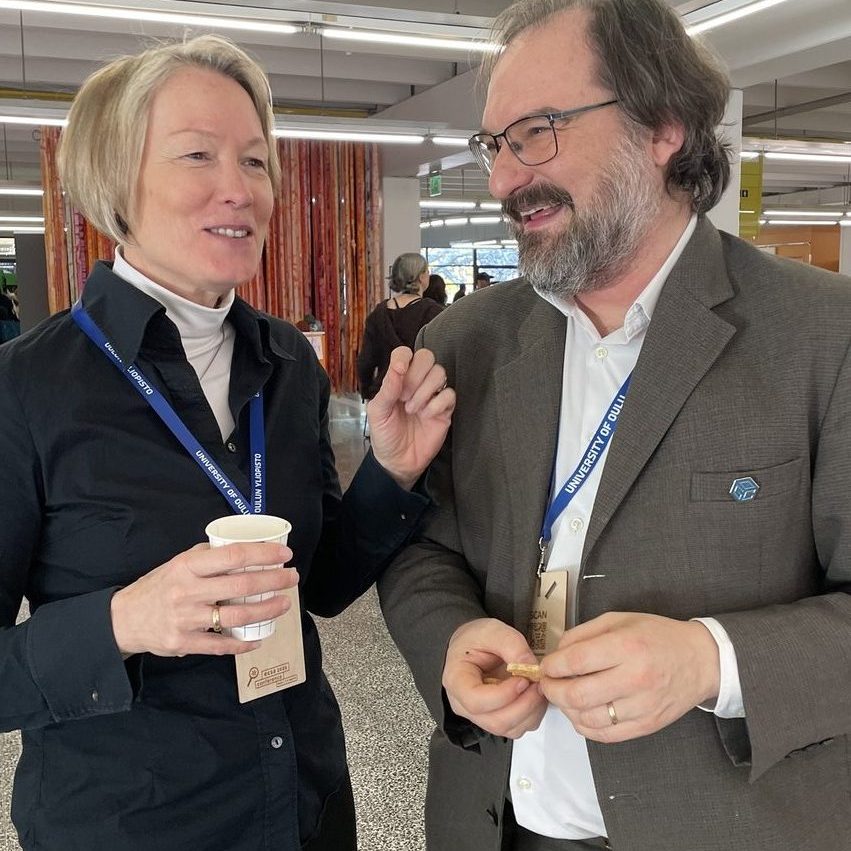
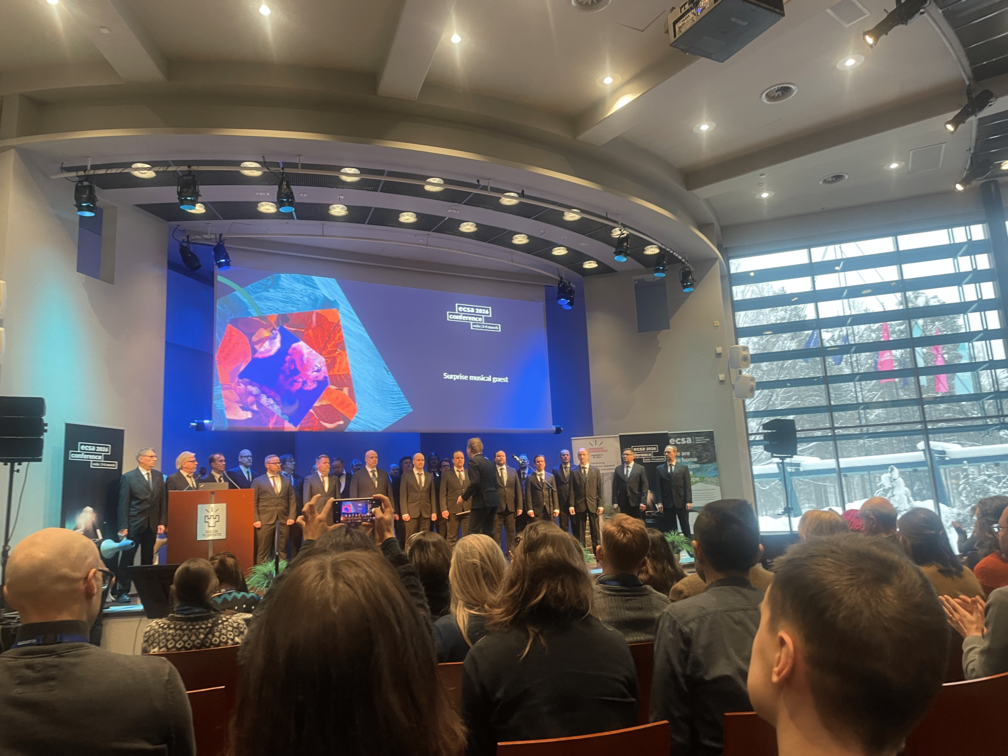
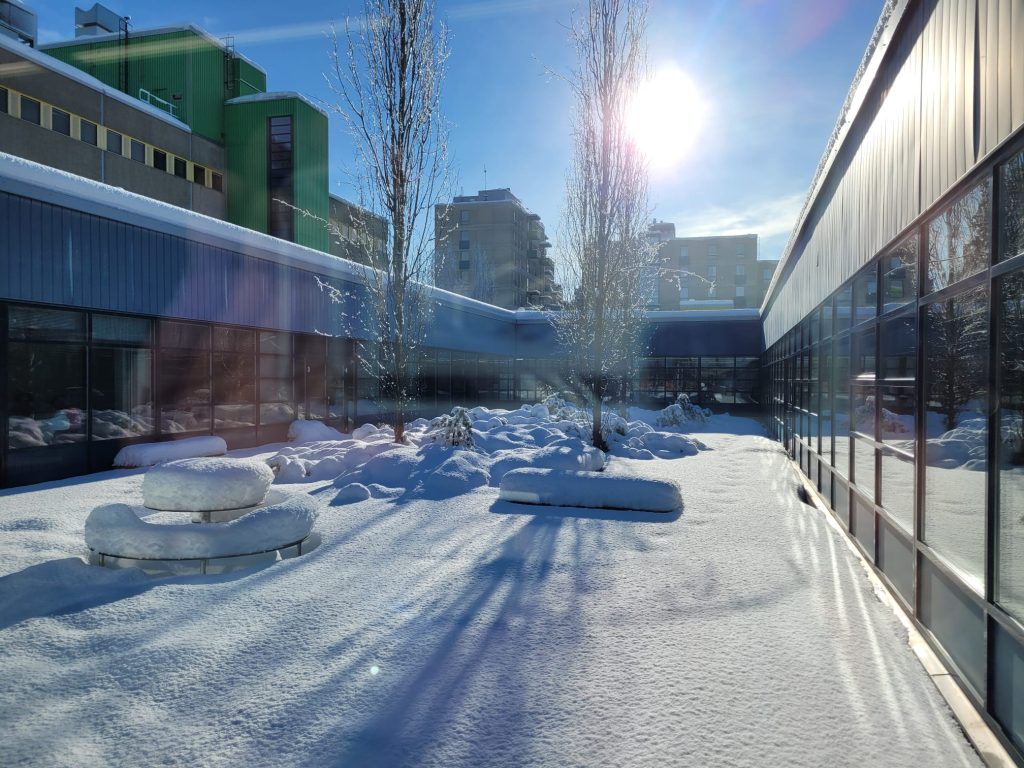
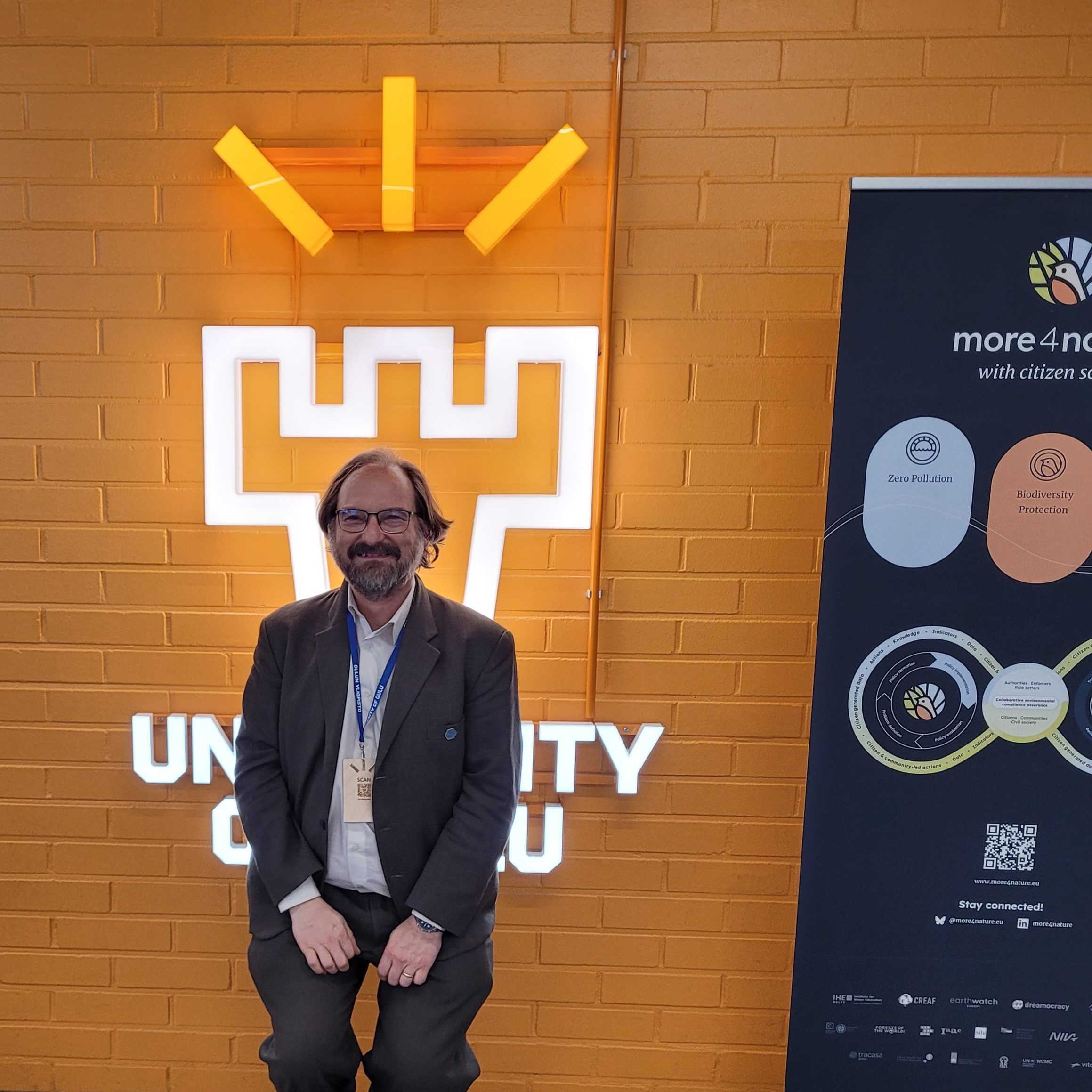
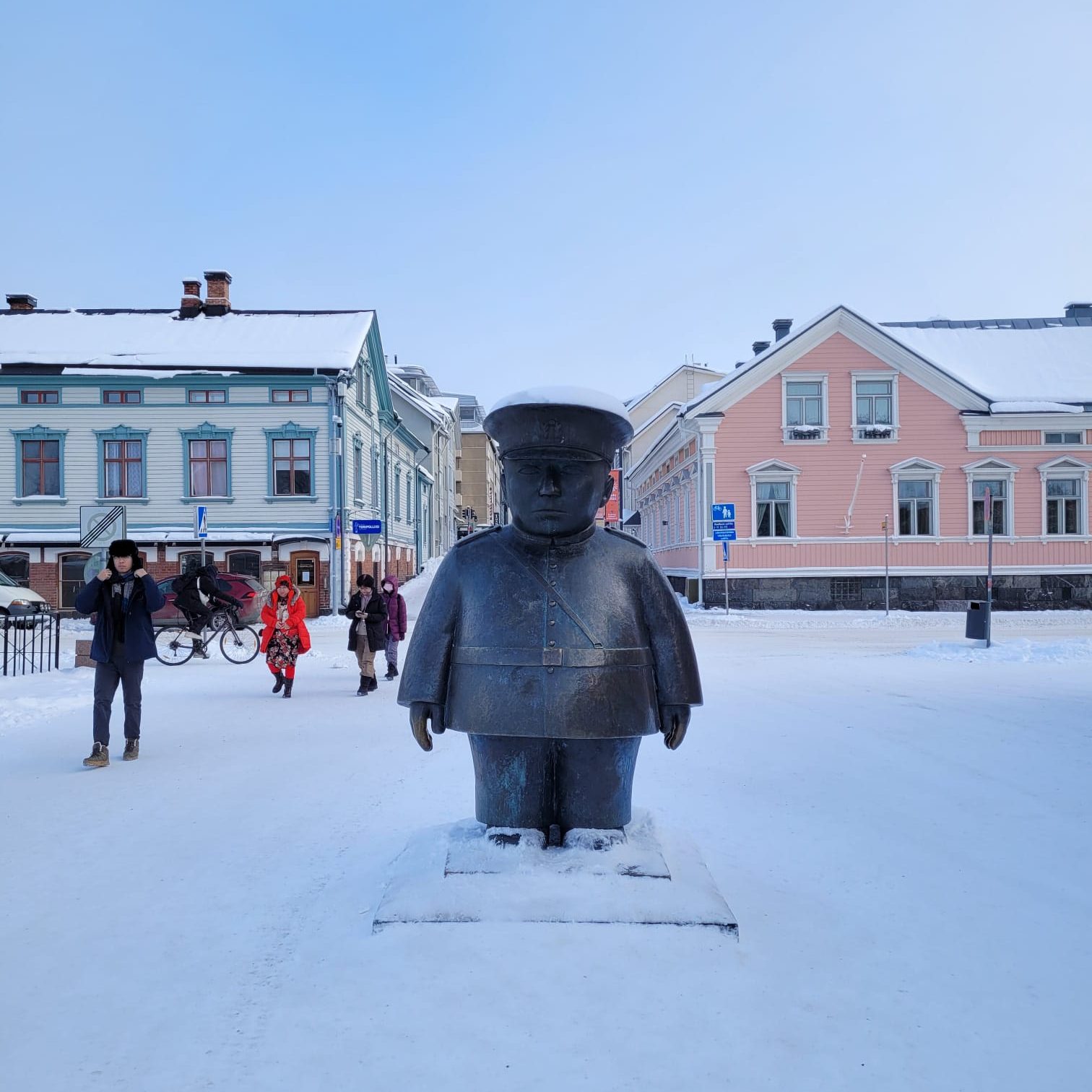
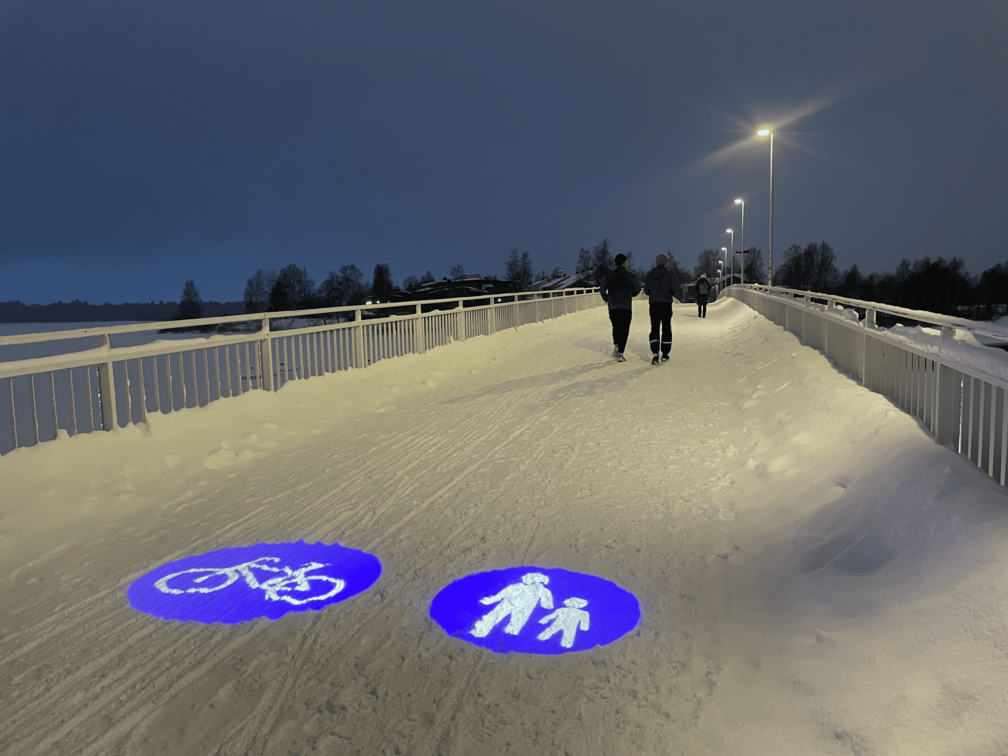
The weather in the Finnish city of Oulu usually hovers between -9ºC and -1ºC during the first weeks of March. This year was no exception. Still, the cold and the snow did little to slow down the energy of the ECSA 2026 Conference attendees. If anything, they added to the charm of what many are already calling “the coolest ECSA ever.”
One of the most rewarding aspects of the ECSA conference is the chance to soak up insights on citizen science straight from the people who are actively shaping and expanding its boundaries. Being part of these conversations is something we at more4nature truly value. In fact, it’s an opportunity not only to listen and learn, but also to contribute with our perspectives and research. In our particular case, we focused on bridging environmental compliance assurance and citizen science.
We are especially grateful to everyone who joined us across our eight sessions throughout the week. Whether in formal presentations or informal chats, each exchange brought new perspectives and ideas. We’re leaving Oulu inspired, with plenty to reflect on and build upon.
Here’s how some more4nature team members wrap it up:
“Attending the ECSA conference for the first time, I appreciated the welcoming vibe and the varied program and topics covered, and at times it was hard to choose between sessions, with many relevant to our work in more4nature. It was encouraging to see a mix of researchers, NGOs, citizen science initiatives, and authorities (there could have been more) taking part in discussions on how to move forward together on environmental and societal issues.”
Line Johanne Barkved, NIVA
“ECSA Conference is the buzz of excitement, inspiration, and collaborative spirit. The hum of discussions, deep conversations, and knowledge exchange. The happiness of meeting old friends and colleagues and introducing new inspiring people. Citizen science evolving, expanding and impacting!”
Gitte Kragh, NORDECO
“Simply, an amazing week!”
Finn Danielsen, NORDECO
“We started the week with a technical session on estimating data quality using redundant environmental observations from low-cost sensors and we ended with a session recognizing that social aspects are an even bigger challenge”
Joan Masó, CREAF
Inside the coolest ECSA ever

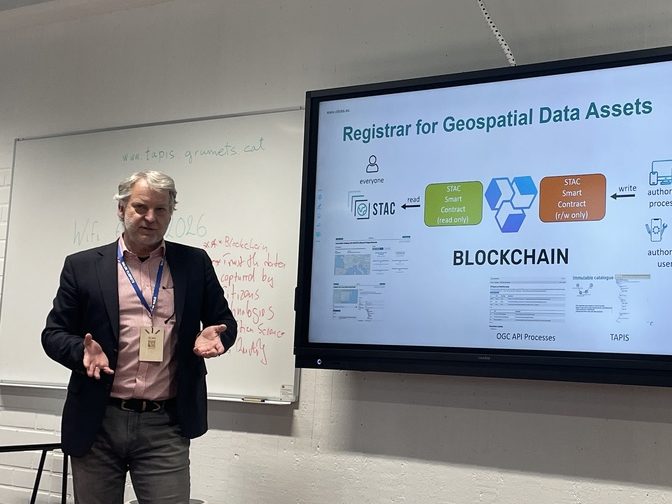
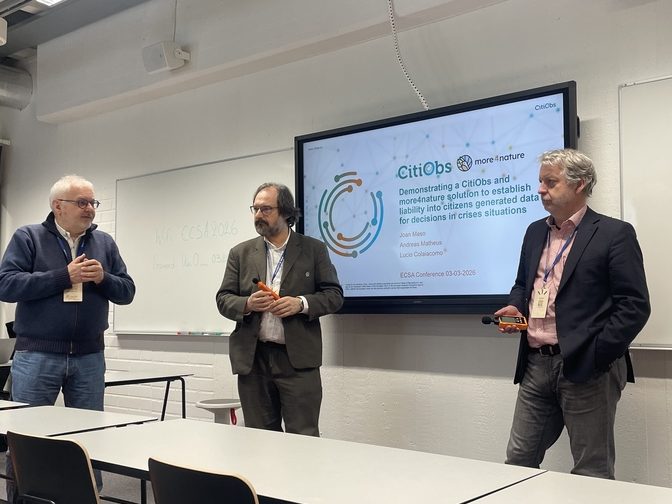
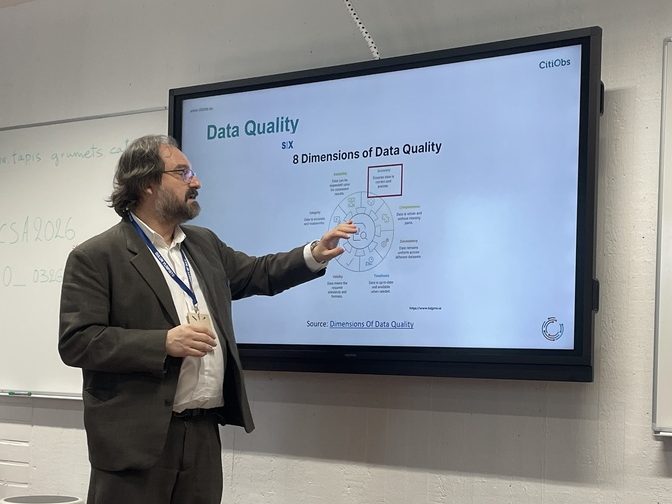
On Tuesday, 3 March 2026, Joan Masó (CREAF) and Andreas Matheus (Secure Dimensions) led a session that brought a very concrete challenge into focus: how can we build trust in citizen-generated data when it is used to support decisions in crisis situations?
Drawing on work developed in collaboration with CitiObs and AD4GD, they showcased a technological approach designed to introduce accountability and liability into citizen-generated data. While this type of data is gaining recognition and becoming more standardised, decision-makers and authorities still approach it with caution.
At the heart of these concerns lies a simple but critical issue: trust. Without robust quality controls and technical mechanisms to guarantee integrity and provenance, it is difficult for citizen-generated data to be fully relied upon in high-stakes contexts.
The workshop explored a promising solution to this challenge, presenting a system that manages trusted citizen-generated data assets using immutable catalogues. It sparked thoughtful discussions on how such approaches could help bridge the gap between community monitoring and adoption in real-world decision-making
On Wednesday, 4 March 2026, Finn Danielsen, Gitte Kragh and Aja Faurschou Enghoff from NORDECO offered a deep dive into the role of citizen science in shaping biodiversity policy and reporting. Their session focused on how data collected through Denmark’s national and local biodiversity citizen science programmes can help inform and populate indicators for the Global Biodiversity Framework (GBF) and be used for official reporting to the Convention on Biological Diversity.
Importantly, the session also connected to recent efforts led by Gitte and Finn, who in February 2026 supported the submission of Non-State Actor reports to the Convention on Biological Diversity. Their initiative aimed to provide guidance and practical aid, helping ensure that community contributions are better reflected in global biodiversity reporting.
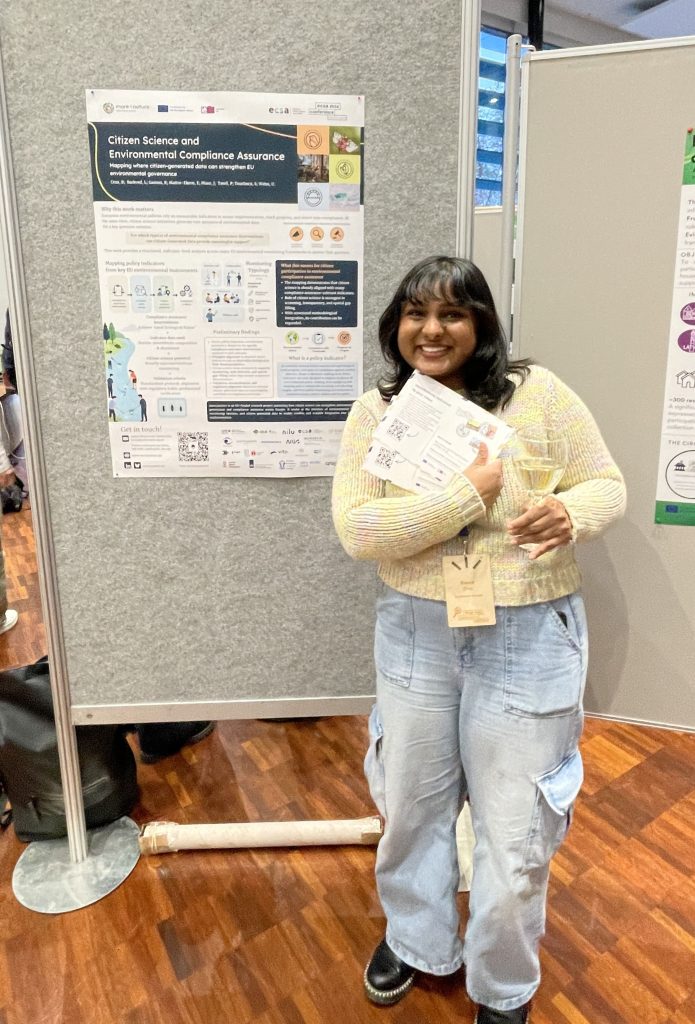
In the afternoon, Bianca Cruz from Earthwatch Europe presented a poster that caught the attention of many attendees. It showcased an updated mapping of citizen science initiatives against the Sustainable Development Goals, quantifying their alignment across 79 indicators. The analysis offers an evidence-based roadmap. It highlights where citizen science is already contributing and where its potential remains underused. One of the key takeaways pointed to a recurring barrier: vague policy language. This lack of clarity, the poster suggested, continues to limit the uptake of citizen-generated data in environmental compliance assurance, particularly in areas such as zero pollution, biodiversity, and deforestation.
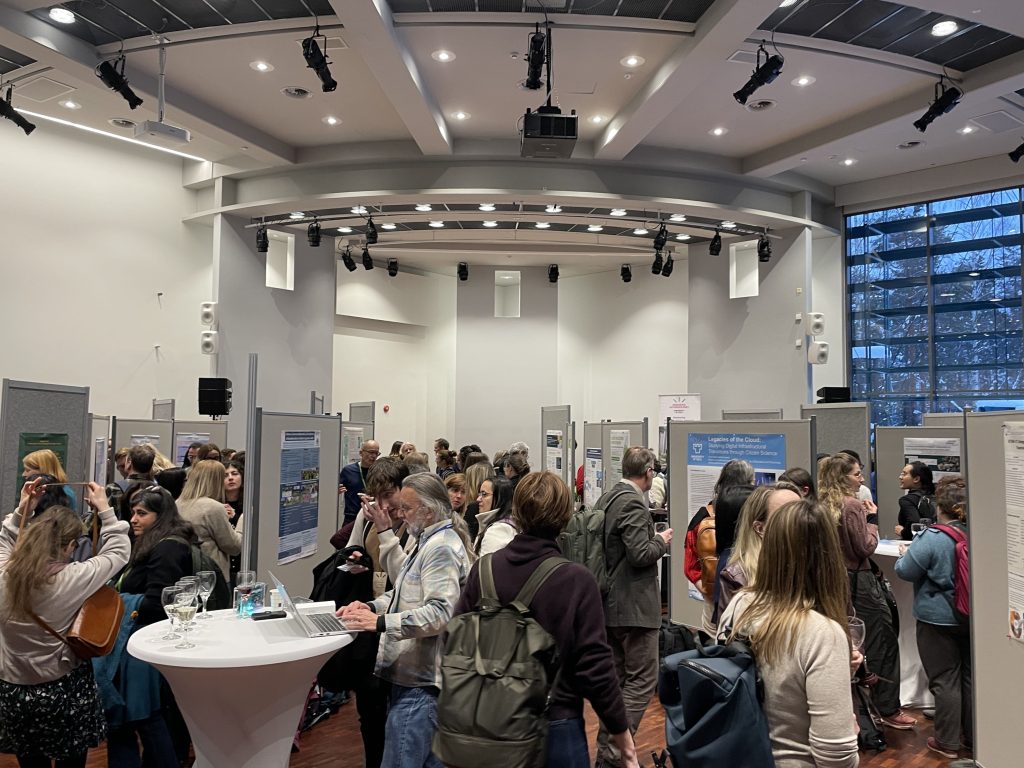
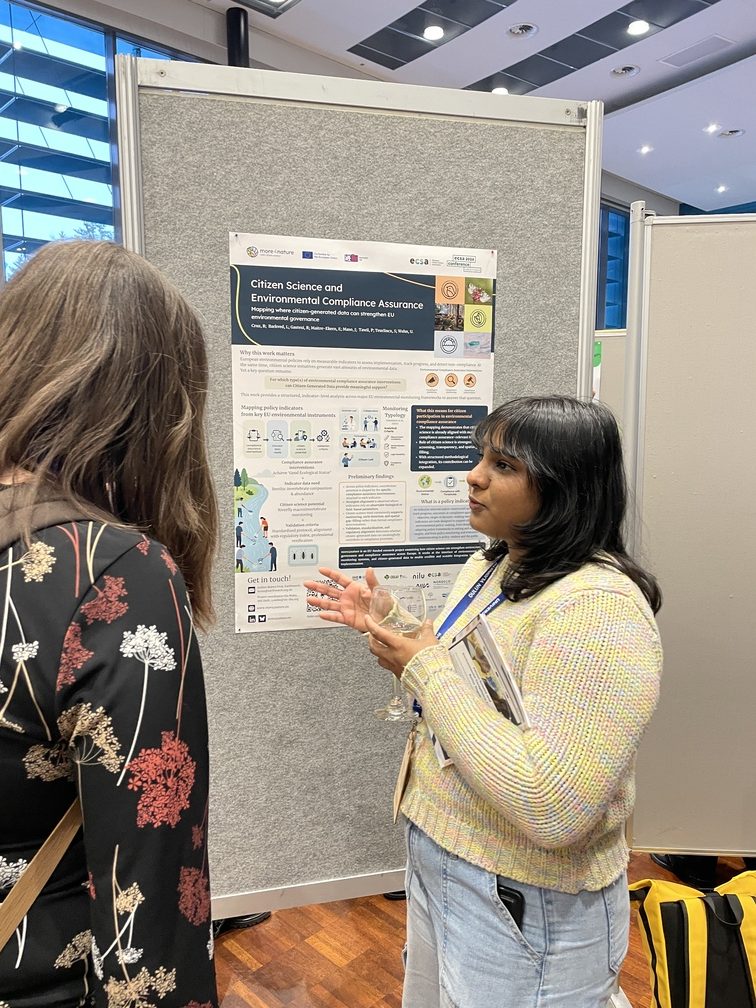
On Thursday, 5 March 2026, the panel “Influencing policy through Citizen Science: Case studies and lessons learned” captured much of our attention. It brought together practical experiences and reflections on how citizen science can truly shape policy and more4nature was right at the heart of it, with two contributions.
On one side, Brenda Parlee, Finn Danielsen and Rob Stuart shared inspiring examples of community-based monitoring and citizen science initiatives from Western Canada. Their contributions highlighted not only the diversity of participatory approaches, but also what we can learn about their influence on policymaking, along with the opportunities and challenges that lie ahead.
On the other side, Bianca Cruz built on her earlier work, further unpacking her updated mapping of citizen science contributions to the Sustainable Development Goals in the context of environmental compliance assurance.
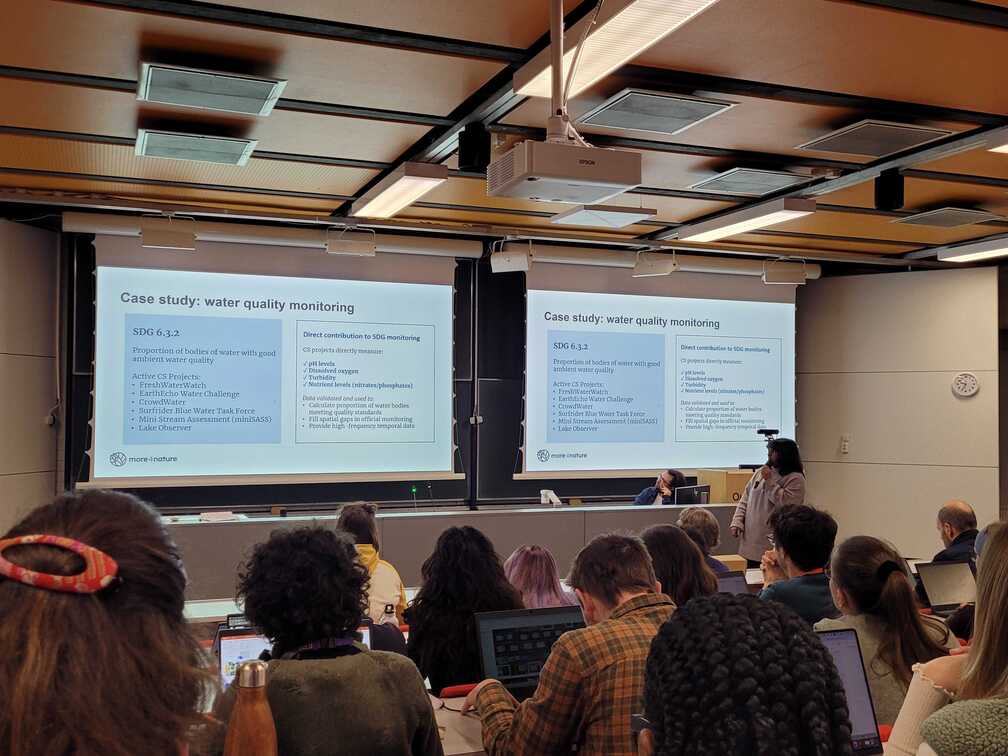
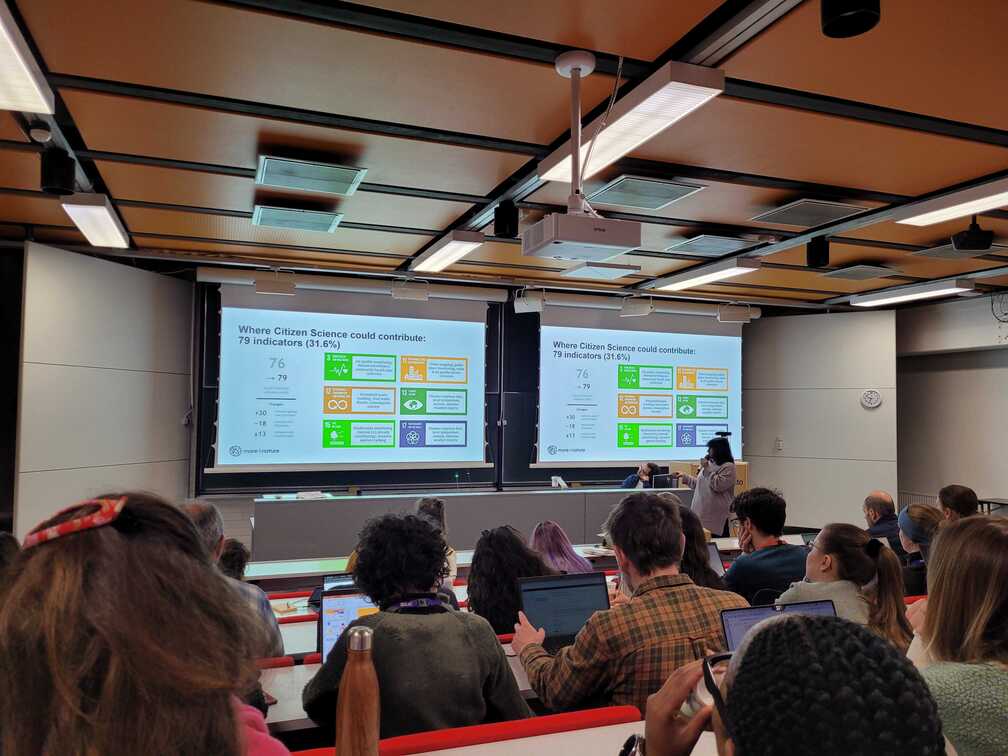
Friday, 6 March 2026, felt like a fitting grand finale, with a packed schedule of sessions and exchanges. The day kicked off at 9 am with two parallel sessions featuring more4nature that, interestingly, complemented each other perfectly.
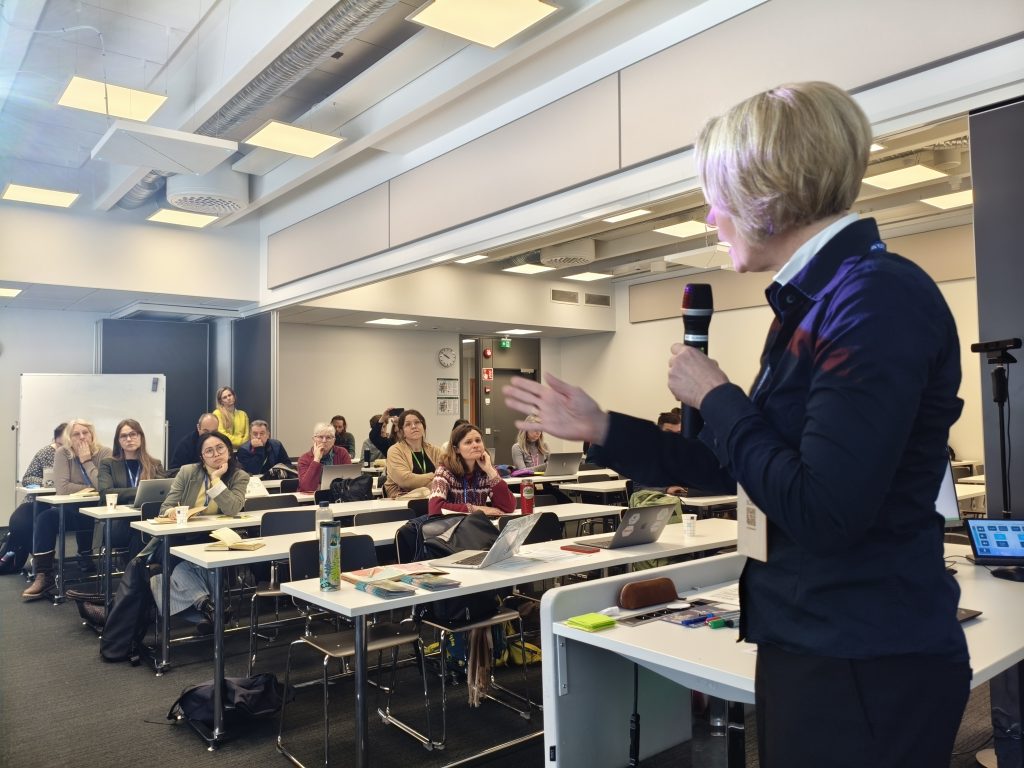
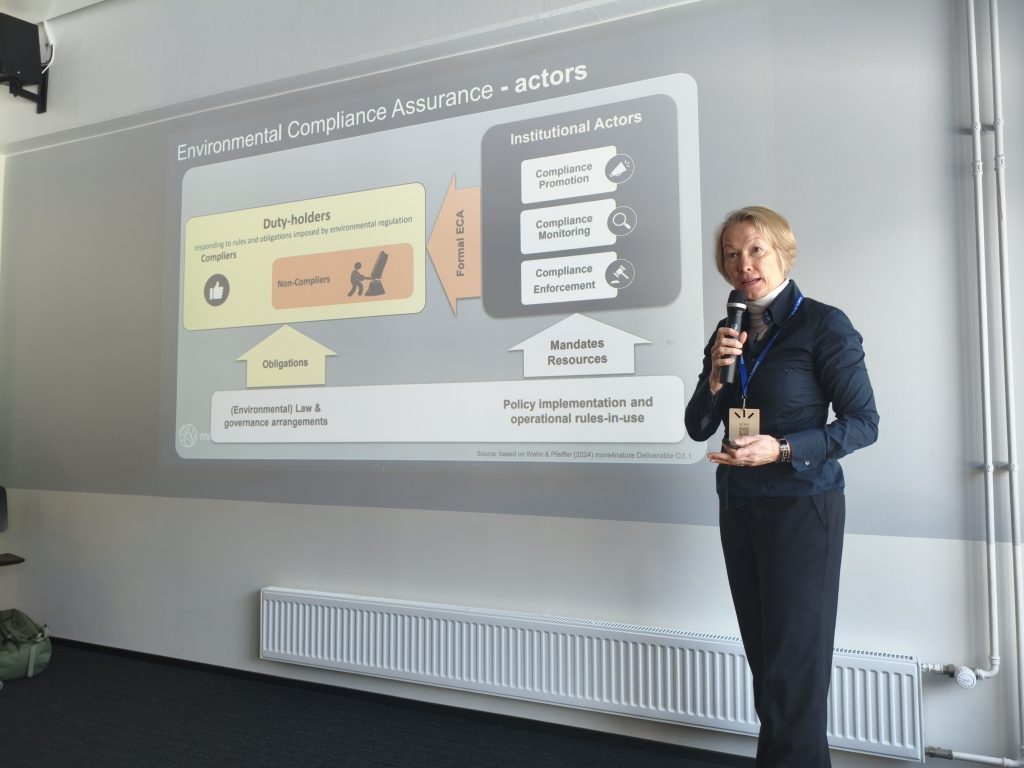
In one room, a roundtable on “Bridging the Citizen Science data-to-policy gap” featured Uta Wehn from IHE Delft. She emphasised that strengthening and institutionalising citizen science contributions in environmental compliance assurance goes far beyond technical solutions. It requires connecting the actions and perspectives of civil society with those of institutional actors, fostering social learning, and ultimately shifting mindsets and behaviours.
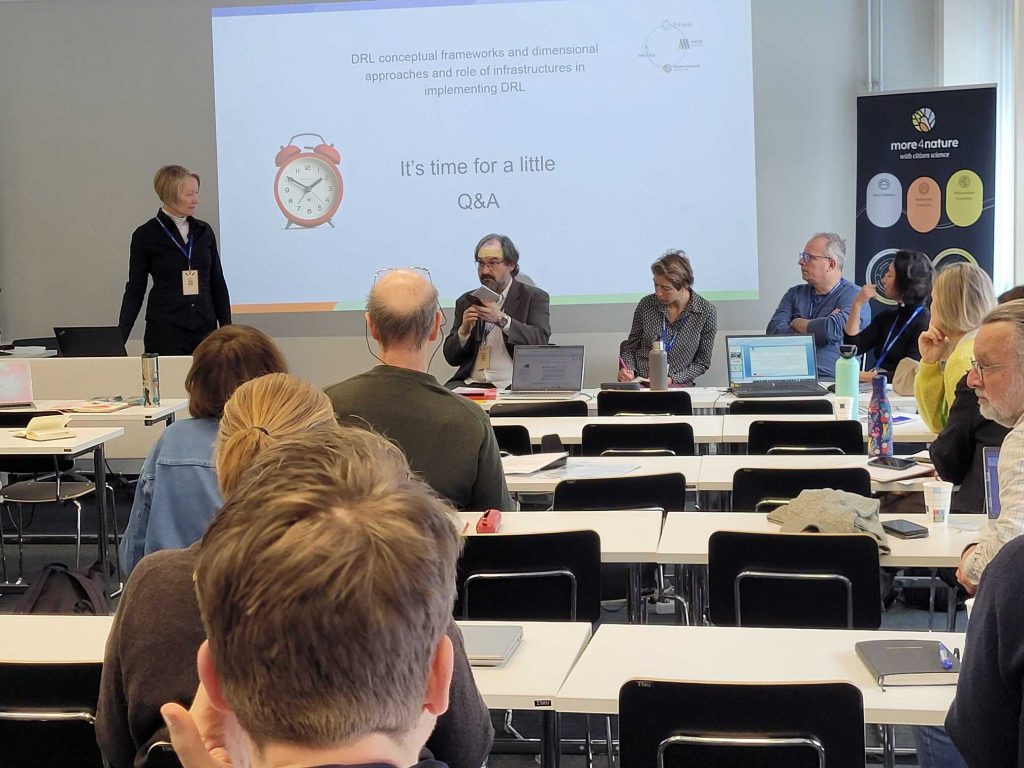
Meanwhile, just next door, a panel convened by Nuria Castell from NILU explored, together with the CitiObs project, how AI and machine learning can support the validation of citizen-generated data for scientific and policy use at local, national, and global levels. Participants shared concrete tools, methods, and experiences aimed at increasing data credibility, uptake, and overall impact.
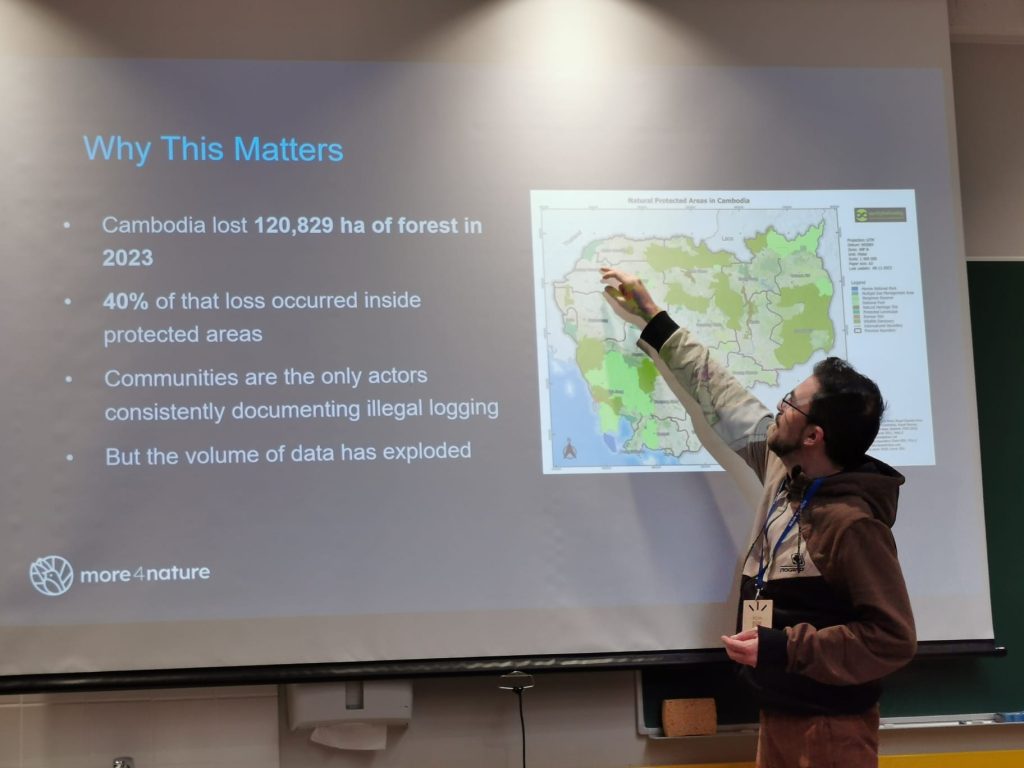
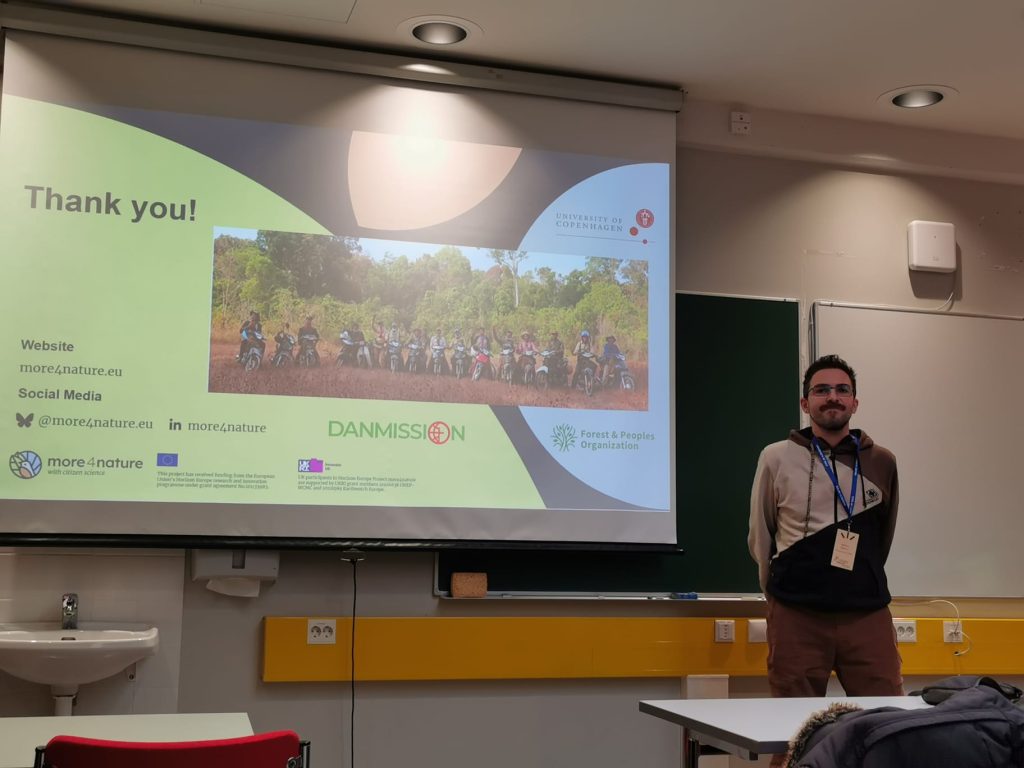
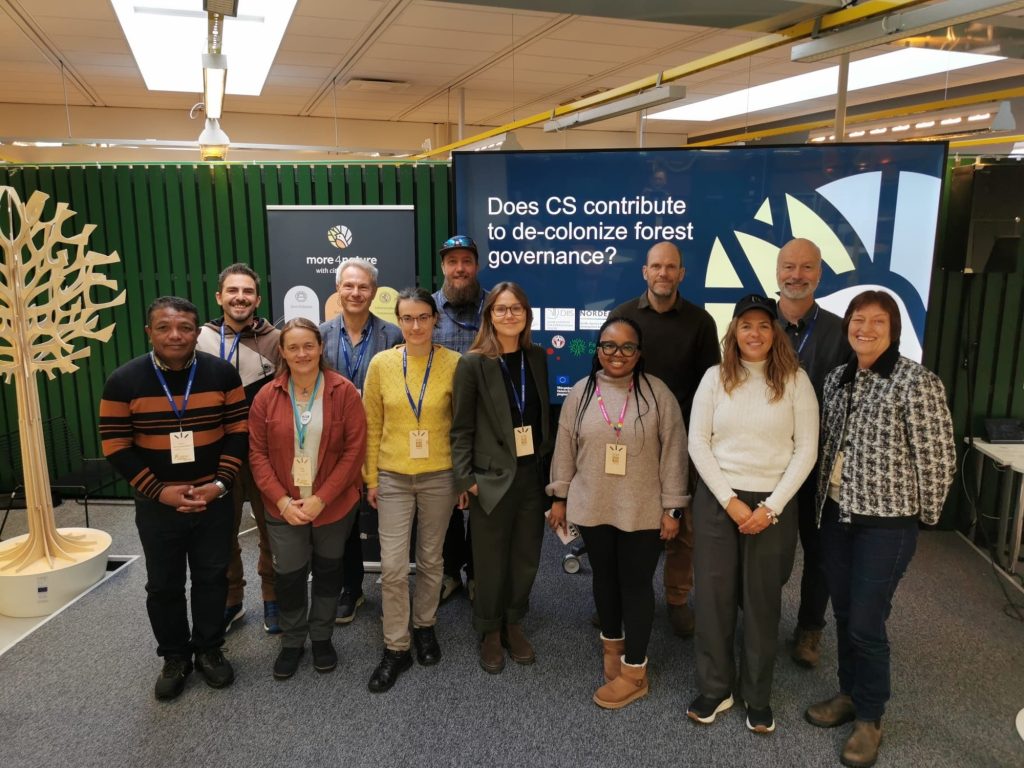
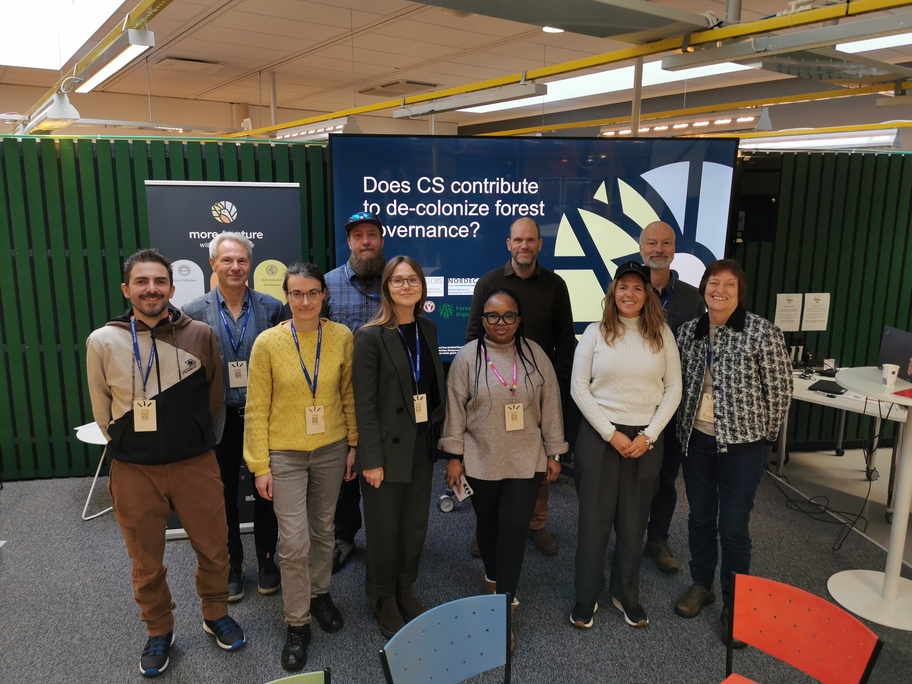
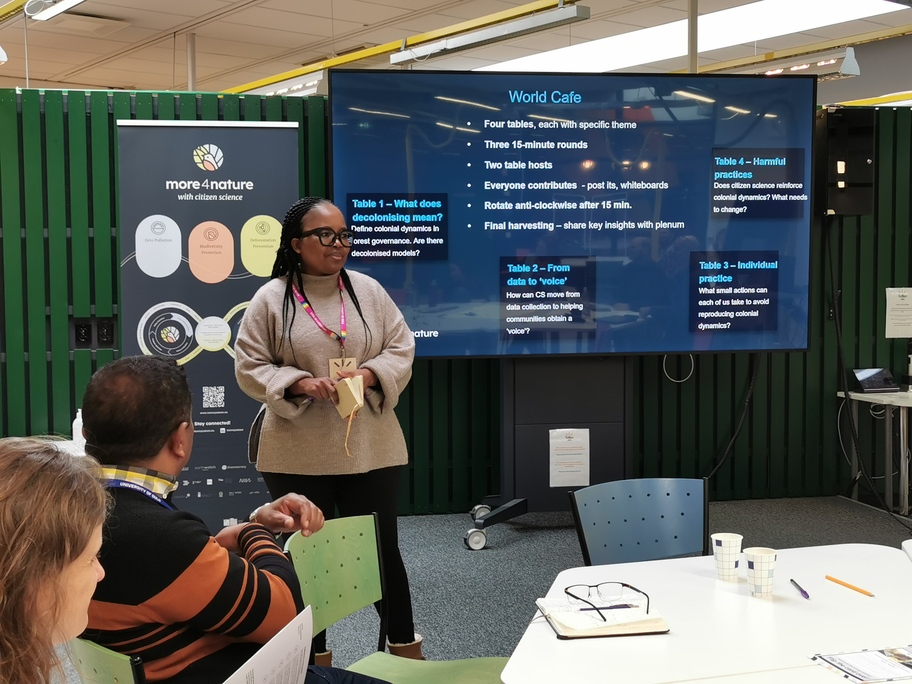
The conference concluded with the final more4nature workshop of the week, held in the afternoon. Finn Danielsen, Mathew Bukhi Mabele, Monika Suškevičs, Suma Kibonde and Ernst Jürgensen led a rich discussion on how citizen science applied to forest governance can contribute to decolonising forest management. Grounded in Indigenous and grassroots knowledge, the session explored both the potential and the complexities of these approaches.
Participants shared lessons on empowering communities and improving forest governance, while more4nature showcased its case study with the citizen initiative “It is Our Forest, Too” in Cambodia, bringing the conversation full circle, from local action to global relevance.