The European Council and the European Parliament have reached a provisional agreement to postpone the implementation of the European Union Deforestation Regulation (EUDR) by one year. If ratified, this would mark the second time the regulation has been delayed and weakened. In response, researchers from the European project more4nature have drafted and signed a shared statement urging the Commission and Member States not to further postpone the full implementation of the EUDR.
What is EUDR due diligence?
The EUDR stipulates that anyone importing any of seven products (soy, palm oil, cocoa, coffee, timber, cattle and rubber) must be able to trace them back to their origin and ensure that they are not linked to deforestation processes that took place after 31 December 2020.
To do so, companies must complete a due diligence report that includes operator information, imported products, and geolocation data, among other elements. This is done using software called Traces New Technology, which was launched in 2024. Authorities can then use this system to review these reports in order to enforce the regulation.
What have Parliament and the Council agreed upon?
On 21 October 2025, the European Commission proposed a series of changes to simplify the legislation. As a result, the text of the law was substantially weakened, risking an economic and competitiveness gap for early adopters of the due diligences declaration system.
On 4 December 2025, Parliament and the Commission have reached a preliminary agreement setting out the following points:
- The application of the provisions of the EUDR is postponed until 30 December 2026 for medium and large operators and until 30 June 2027 for micro and small operators.
- The obligation and responsibility to submit the required due diligence declaration will fall exclusively on operators who place the product on the market for the first time within the EU. All other operators may use the reference number of the initial due diligence declaration.
- Micro and small operators will only be required to submit a simplified and unique due diligence declaration, instead of the full and periodic declaration.
- The European Commission should provide an assessment of the impact and administrative burden of the EUDR before 30 April 2026. This should be accompanied by a new legislative proposal.
Why has this new delay to the EUDR been proposed?
The main reason argued for this new postponing and simplification is the unreadiness of some companies and Member States to fully implement the regulation. Another argument is that faults were found in the information system that operators must use to complete due diligence reports to the EU due to the high demand from traders and operators, but some experts may disagree.
How long has the EUDR been postponed?
The EUDR negotiation process was an effort that lasted years, and now its implementation is travelling a bumpy road:
- The EUDR formally entered into force on 19 June 2023.
- Its original implementation start date was 30 December 2024.
- It was moved to 30 December 2025 for large and medium-sized enterprises and to 30 June 2026 for micro and small enterprises.
The plan is now to delay it one more year, until 30 December 2026 for large and medium-sized enterprises and until 30 June 2027 for micro and small enterprises.
What is the next step for the EUDR?
The next step is for Parliament to ratify this agreement during its plenary sessions between 15 and 18 December 2025. If the changes are approved, they will be published in the EU’s Official Journal before the end of 2025 in order for the changes to take effect. If they are not approved, the current deadlines will remain in place.
What is more4nature doing to help stop deforestation?
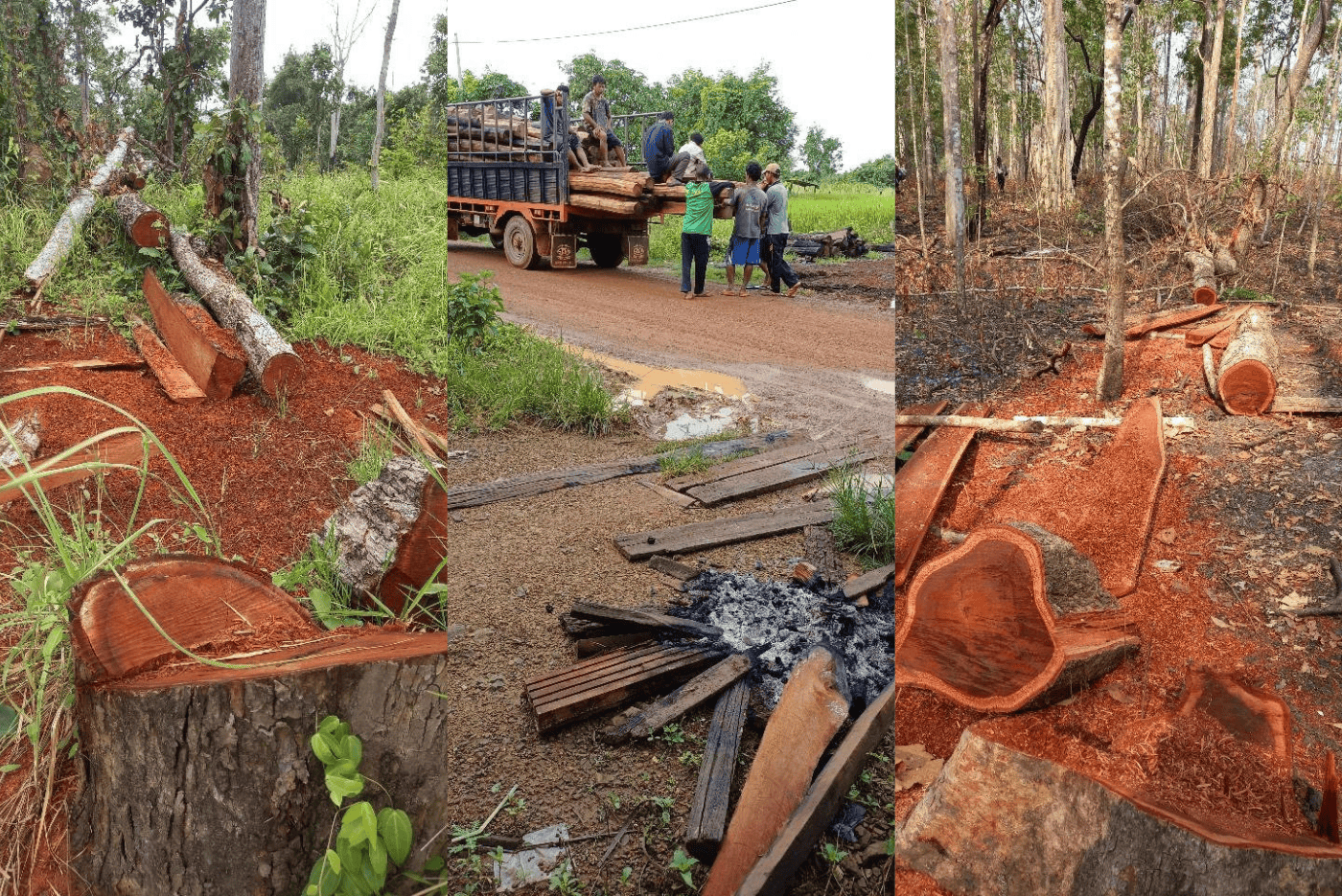
Deforestation is a pressing global issue. Researchers in more4nature emphasize the crucial role that local communities and citizens on the ground are playing in monitoring and reporting on deforestation in non-EU countries. For instance, some of the signatories of the statement are collaborating with the citizen initiative ‘It’s our forest too’, active in five provinces in Cambodia. Citizens and activists have already collected more than 6000 entries on illegal activities, over the last 5 years using the Prey Lang App. In another case in Bolivia, indigenous organizations are producing reports on illegal forest activities and fires with the aim to reduce forest loss. The more4nature project explores how to bring about transformative change in environmental protection by including citizens and communities as key actors in collaborative environmental compliance assurance.