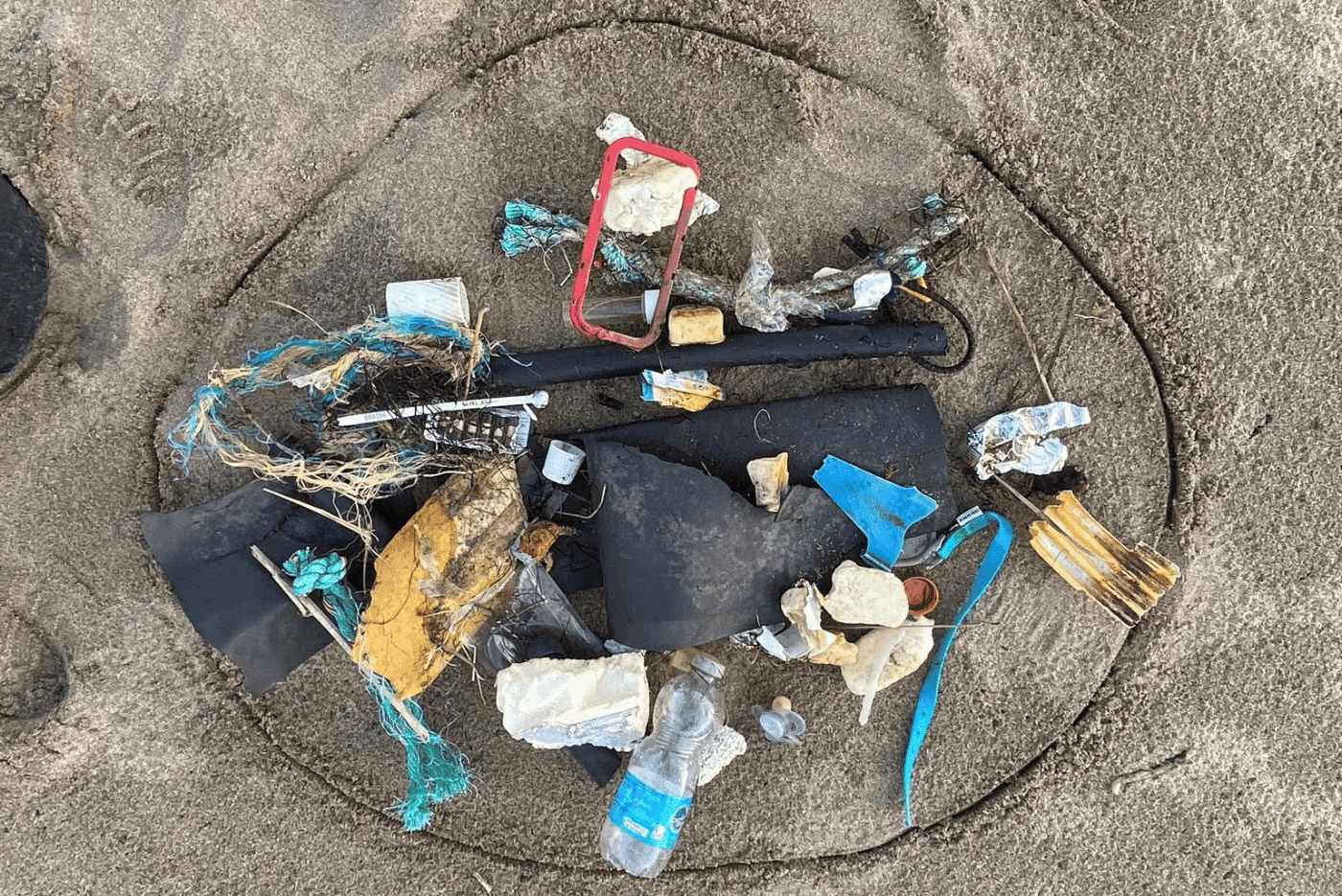
Where can you find plastic bags, bottles, toys, cigarette butts, soft drink cans, ropes… and fishing nets, all in one place? A shop? A bar? A supermarket? Unfortunately, the answer is: on a beach.
It is estimated that more than 10 million tons of waste end up in the oceans and seas every year. Much of this rubbish accumulates in coastal areas, harming the biodiversity of these ecosystems, increasing the presence of microplastics, damaging ecosystems’ health, and worsening people’s quality of life.
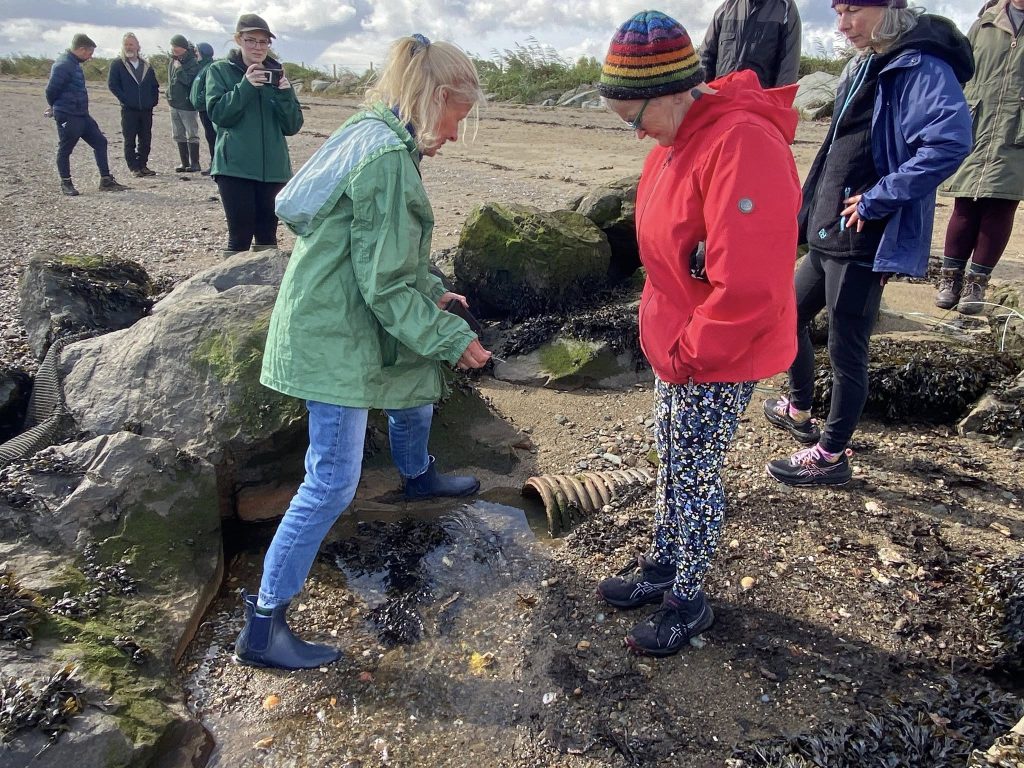
Every Autumn since 1987, Coastwatch, a more4nature partner, conducts a survey on the health of Ireland’s coastline. In September 2025, they ran a specific campaign to encourage citizens in the Inishowen region to participate in monitoring the shores of Lough Foyle. An engaged group of citizens participated in the sounding of almost a kilometre of coastline preceded by a training session conducted by Karin Dubsky, founder of Coastwatch and lead of the zero pollution case studies for more4nature, alongside regional co-coordinators for Donegal, Tom Hannigan and Trish Murphy.
How far can you walk?
To conduct the survey, citizens were asked to walk 100 metres and see how far they would make it before they collected 20 pieces of rubbish. They would note how many metres they walked, group the litter together and take a photograph. As surveyors submit their photographs, Coastwatch creates a litter fingerprint of shores around the country, showing clearly what types of macro litter are polluting our beaches.
The reason for this is that “< 20 litter items per 100 metres” is EU Beach Litter Threshold Value, established for the assessment of macro marine debris on the coastline as part of the implementation of the EU Marine Strategy Framework Directive. This value considers 100 metres in length and the total width of the beach in that area. The threshold was chosen after analysing thousands of data points from European beaches, seeking to balance the ambitious protection of beach ecosystems with the statistical reliability of the measurements. Thus, if participants walked 100 metres without picking up 20 items, that stretch of beach could be deemed “Good Environmental Status”.
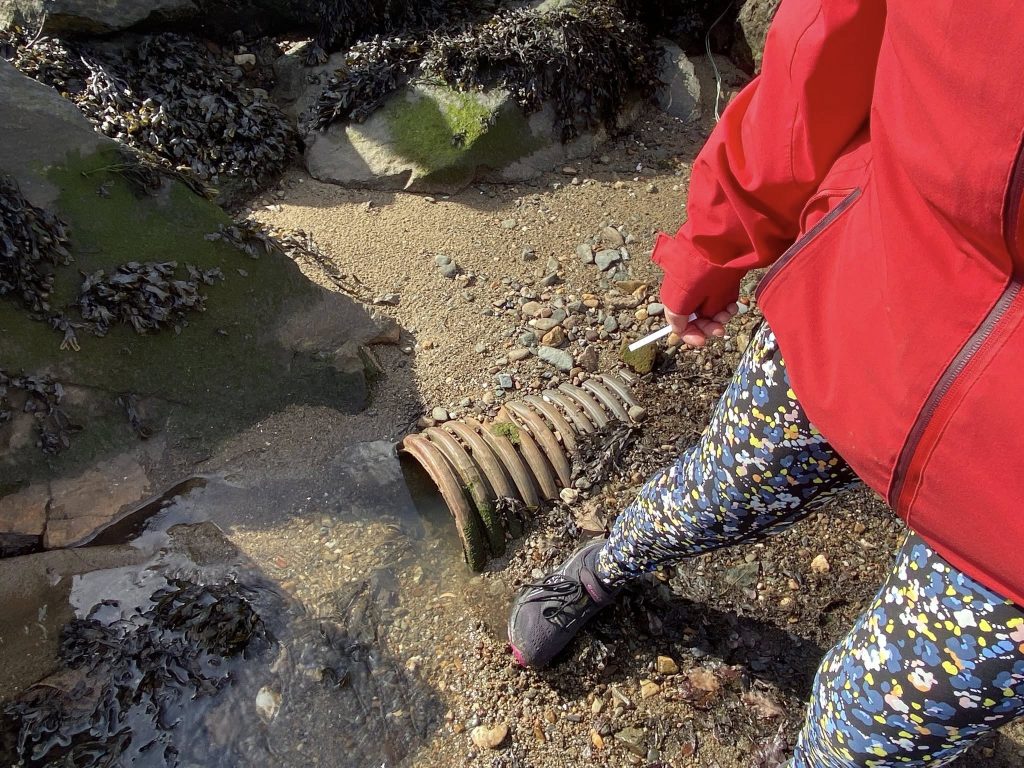
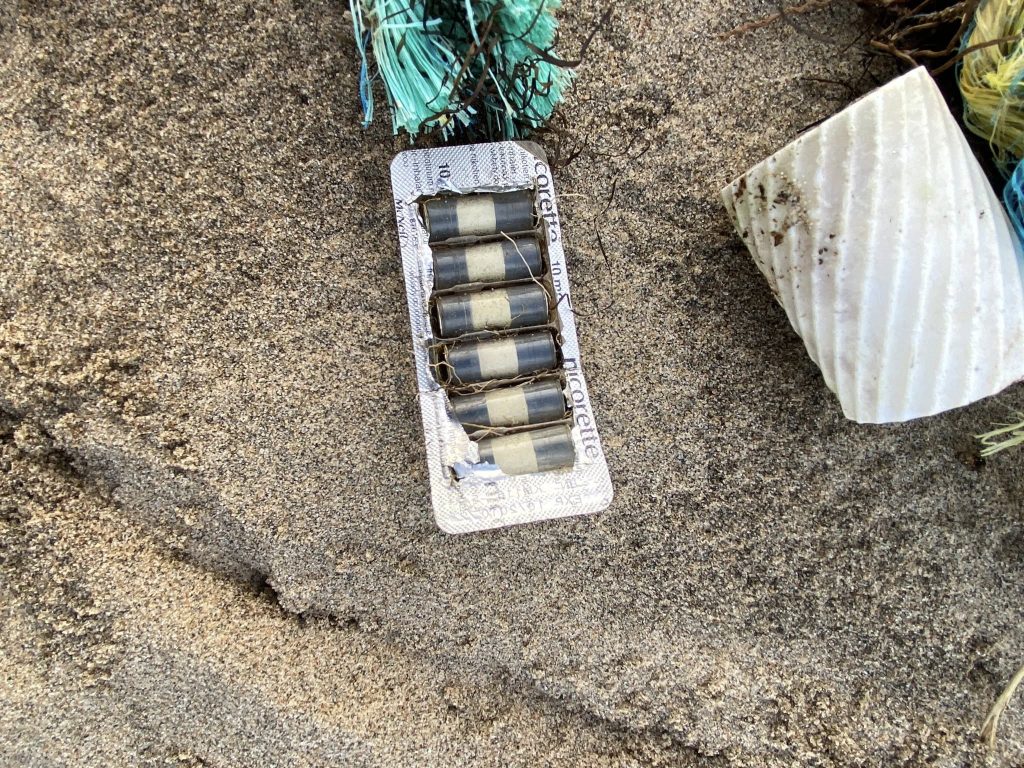
The Coastwatch Survey is part of a more4nature case study on making coastal pollution monitoring more useful for Environmental Compliance Assurance. Coastwatch plans to create a shore litter fingerprint exhibition from the results of this citizen science action.
What is Lough Foyle?
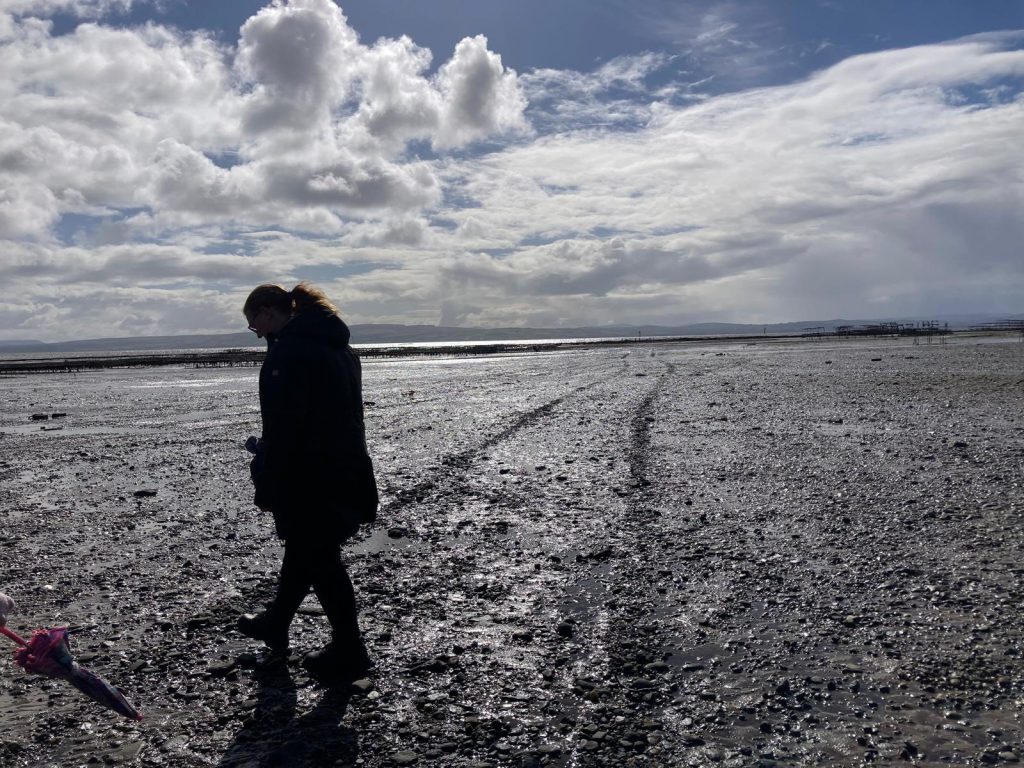
Lough Foyle is a shallow sea lake located on the North coast of Ireland, where Atlantic waters meet the estuaries of the Foyle, Faughan, and Roe rivers. This mix of freshwater and saltwater creates a rich and dynamic environment, with vast mudflats, shifting sandbanks, salt marshes, and brackish channels forming a diverse mosaic of coastal habitats.
These sheltered and nutrient-rich areas support high biological productivity and attract large numbers of birds throughout the year, including migratory species that rely on the lough as a feeding and resting stop. Because of its ecological importance, Lough Foyle has been designated as a Special Protection Area (SPA) under the EU Bird’s Directive. The lough also supports traditional human activities such as fishing, shellfish harvesting, and aquaculture, making it both an important wildlife haven and a culturally significant coastal landscape.
References
- Guidance on the Monitoring of Marine Litter in European Seas: https://publications.jrc.ec.europa.eu/repository/handle/JRC133594